
Here’s my take on an open recall on a used car: I don’t automatically walk away just because a campaign is still open. An open recall is information. It tells you something still needs to be fixed. It does not, by itself, tell you the car is a bad buy.
What an open recall actually means
A recall is issued when a manufacturer or NHTSA determines that a vehicle creates an unreasonable safety risk, or fails to meet minimum safety standards (NHTSA). Most of those campaigns start with the manufacturer (NHTSA). If you search a car’s identification number on NHTSA’s recall tool, you will see whether that specific vehicle still needs to be repaired. If there is nothing open, the tool says “0 unrepaired recalls associated with this VIN” (NHTSA).
That tool has limits, and they matter when you’re shopping. It will not show a safety recall that has already been repaired. It may not show a brand-new campaign if all the vehicles have not been added yet, so you have to check again. It also will not show safety recalls that are more than 15 years old, except where a manufacturer offers more coverage (NHTSA).
What to do when you find one
NHTSA’s advice is straightforward. If you have an open recall, get the vehicle repaired for free (NHTSA). Recall repairs are free at the vehicle manufacturer’s dealership, and NHTSA urges you to schedule that repair promptly (NHTSA). Follow any instructions from the automaker, including “do not drive” or “park outside” warnings (NHTSA). Those warnings are not all the same. Some campaigns are a scheduled shop visit. Some ask you to change how you use the car until the part is ready.
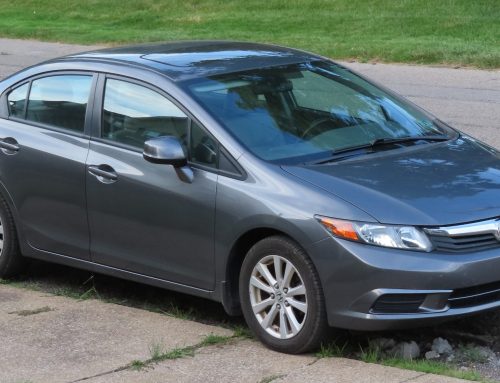
Honda’s new airbag campaign is a good example of why the current check matters. A seller can be telling the truth about an older campaign, and the car can still be in today’s recall (Honda). You can check a specific car at nhtsa.gov/recalls. NHTSA says you should look for open recalls at least twice a year, because hundreds of recalls are issued each year and some get updated (NHTSA). In 2025, NHTSA says there were 997 recalls for vehicles, car seats, tires, RVs and other equipment, and more than 29 million vehicles were recalled in the United States (NHTSA).
How I shop it
So I treat an open recall like any other fact on the car. I look up the current campaign. I read what the remedy is. I look for any interim safety guidance. And I put the free repair on the calendar when the manufacturer is ready. I don’t ignore it. I also don’t let the word “recall” end the conversation before I’ve read the details.
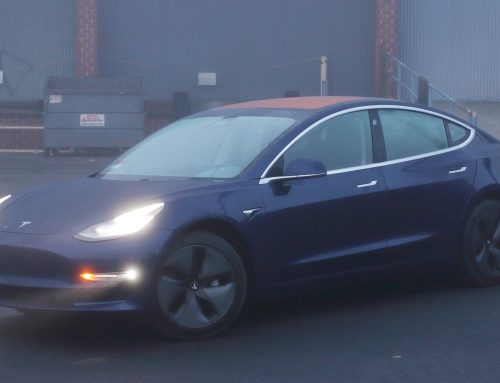
Motorphilia has been Your Automotive Matchmaker since 2002, and we were certified to work on Teslas in 2022. From our home base in Tyler, TX, we help buyers all over the country and deliver nationwide. When we shop a car, we check the current recalls, and we follow through on the ones that are still open.
If you want help finding the right car, start with our Match Maker. You can also call or text us anytime at (430) 247-2588. We’re here 24/7.
Check us out at www.motorphilia.com, and keep us in mind for any car needs, especially Tesla!
Sources
1. National Highway Traffic Safety Administration. “Check for Recalls: Vehicle, Car Seat, Tire, Equipment.” A recall is issued when a manufacturer or NHTSA determines that a vehicle, equipment, car seat, or tire creates an unreasonable safety risk or fails to meet minimum safety standards. Most decisions to conduct a recall and remedy a safety defect are made voluntarily by manufacturers prior to any involvement by NHTSA. A VIN search shows an unrepaired recall for a vehicle from certain manufacturers. If the vehicle has no unrepaired recalls, the tool displays the message: “0 unrepaired recalls associated with this VIN.” The license plate and VIN search will not show a safety recall that has already been repaired; some recently announced safety recalls for which not all VINs have been identified (VINs are added continuously, so check regularly); or safety recalls that are more than 15 years old (except where a manufacturer offers more coverage). https://www.nhtsa.gov/recalls
2. National Highway Traffic Safety Administration. “Vehicle Safety Recalls Week: Check for Recalls.” If you have an open recall, immediately get your vehicle repaired for FREE. You should check for open recalls at least twice a year because hundreds of recalls are issued each year and some recalls are updated. In 2025, there were 997 recalls for vehicles, car seats, tires, RVs and other equipment. More than 29 million vehicles were recalled in the United States. https://www.nhtsa.gov/recalls/vehicle-safety-recalls-week
3. National Highway Traffic Safety Administration (October 30, 2025). “Consumer Alert: Change Your Clocks, Check for Safety Recalls.” Recall repairs are FREE at your vehicle manufacturer’s dealership. If you have an open recall, NHTSA urges you to call your vehicle manufacturer’s dealership immediately to schedule your free recall repair. Follow any instructions from the automaker, including any “do not drive” or “park outside” warnings. https://www.nhtsa.gov/press-releases/consumer-alert-change-your-clocks-check-safety-recalls
4. American Honda (November 20, 2026). “Statement by American Honda Regarding Takata Desiccated Airbag Inflator Recall.” American Honda will recall 810,592 vehicles in the United States, including certain 2013 Honda Accord, 2012-2013 Honda Civic, 2012-2013 Honda CR-V, 2013 Acura ILX, and 2013 Acura RDX vehicles originally sold or ever registered in listed states and territories, including Texas. The campaign covers certain Takata desiccated airbag inflators that were left out of earlier recalls. https://hondanews.com/en-US/releases/release-b26ae02ff5dca50cb32a1f47831d8dd1-statement-by-american-honda-regarding-takata-desiccated-airbag-inflator-recall


Leave A Comment